The Relationship Between Roofing Systems and Whole Exterior Home Remodeling
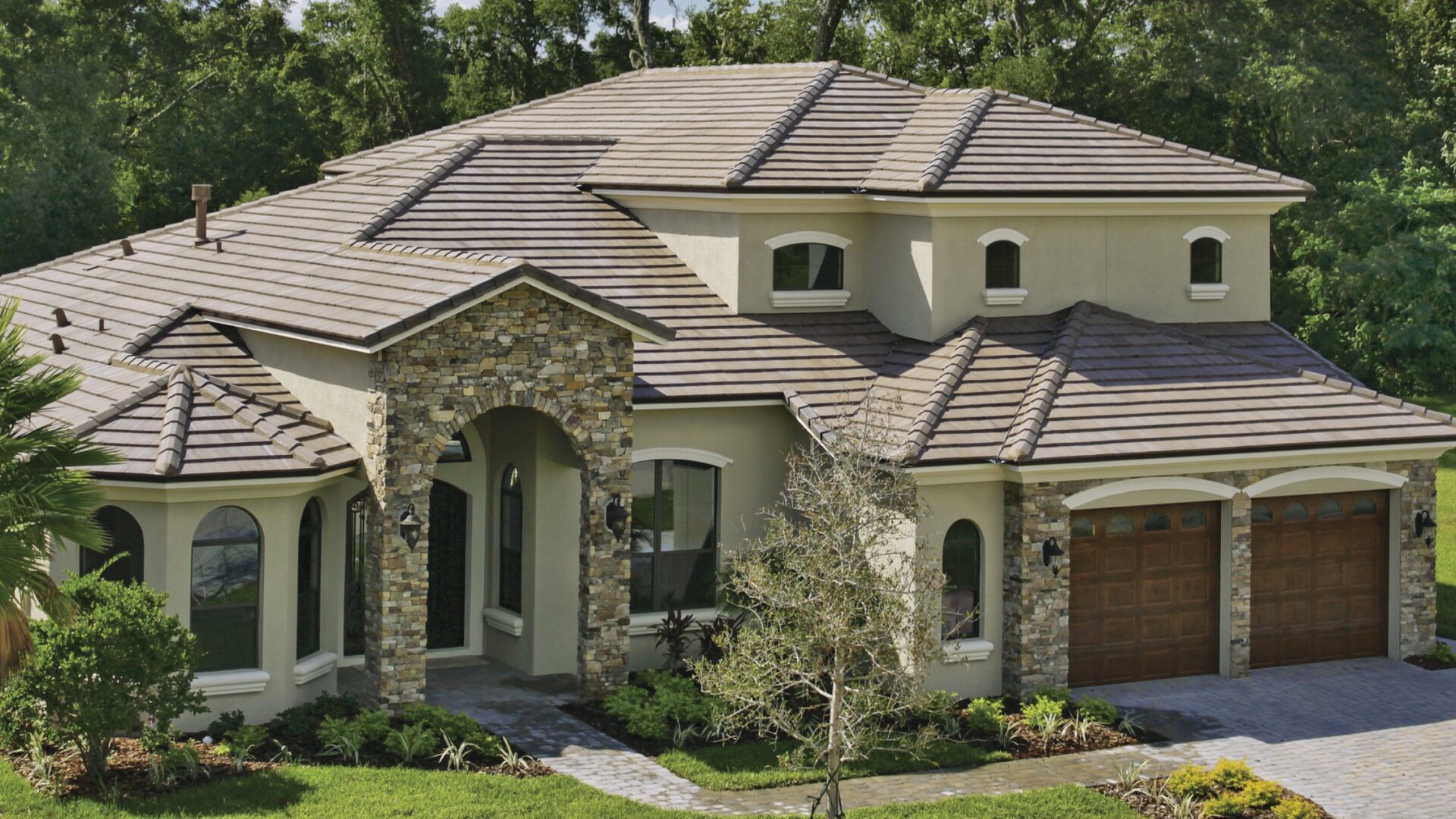
The exterior of a home is as a whole a system where all the components affect the stability, the looks, as well as the performance of the others. Roofing systems are seen as an independent entity, but they hold a key position on the overall performance of the entire exterior with regard to the time frame.
As home owners consider upgrades like siding improvements, gutter installation, windows replacement and other facade improvements, the success in such upgrades in most cases depends on the state and structure of the roof.
We will discuss the ways in which roofing can be part of a larger exterior home remodeling project and how thinking of these components as a unit may lead to a better structural performance and a more unified aesthetic result. Knowledge of this relationship can guide homeowners to make sound investments in exterior signage that can last a long time.
Building Composition Structural Alignment of Roofing and Exterior Components
The roof is the major protection against the forces of the environment such as rain, snow, wind and the powerful sunlight. Its location, being the top of the home, has a direct impact on the design and the state of the rest of the exterior structure to cope with moisture and temperature changes. In remodeling projects where we do siding, fascia boards, or soffits, the roof structure is an important consideration as all components must link with each other. Aging roofing elements or those that are not properly aligned may compromise the longevity of fresh exterior materials.
In a complete remodeling project, roof decking, flashing, and ventilation trails are also evaluated by a contractor to establish whether they require upgrading before other exterior remodeling occurs.
This assessment will eliminate cases where newly installed siding or trim will be susceptible to water seepage due to old roofing material. Many home owners in most instances use the services of the home roofing contractor (Precision Roofing and Remodeling) in trying to have the roofing structure critically reviewed prior to commencing exterior modifications.
By treating both the roof and the structural elements around the roof, the homeowners develop a more secure protective sheath. The coordinated approach also enables the designers and constructors to match architectural lines of the roof with other exterior compositions to ensure that the remodeled house does not lose its structural integrity and visual unity.
Integration of Management and Drainage of Water
Water management is among the most paramount issues relating roofing systems to entire exterior remodeling. The rain-water comes off the roof directly into gutters, down-spouts and drainage pathways that channel the water away, or towards the foundation. When people make additions to siding, landscaping or exterior walls without thinking about the roof drainage system, the resulting moisture may be trapped in spots that were not intended to accommodate it.
There is frequently an opportunity associated with a remodeling project to put in hand the whole drainage system at the same time. As an example, new roofing materials can be installed, and gutter placement, the location of downspouts, and the installation of splash blocks may need adjustments.
All these are combined to help in steering water safely outside the building, minimizing chances of erosion and foundation damages to the soil. Renovations to exteriors, which involve new fascia boards or soffits are also expected to follow the roofing edge to ensure that air moves and water flows properly.
When these elements are aligned in the remodeling process, the home is advantageous to have better moisture control and lessen the issue of maintenance. The water flowing out of the roof to the ground is directed efficiently and no damage is caused to the siding panels, entryways and landscapes.
A roofing contractor in collaboration with exterior remodeling professionals will see to it that drainage solutions are provided that uphold structural longevity and design functionality.
Energy Efficiency and Performance and Insulation Efficiency
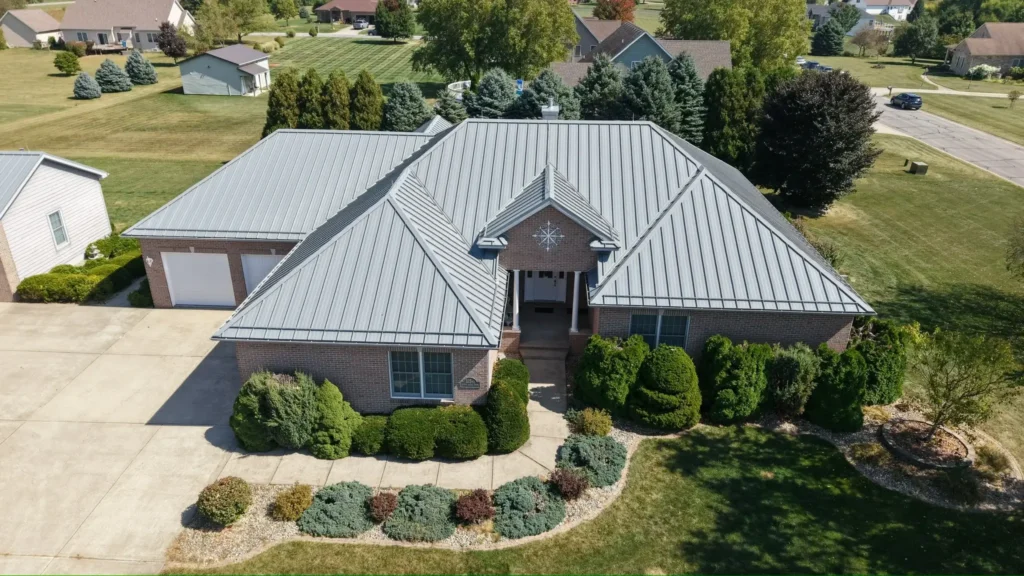
Another area where roofing systems will have a significant impact on exterior remodeling decisions is energy efficiency. A roof also plays a big role in the thermal regulation of a home, as it helps to regulate the amount of heat that moves between the living room and outside world. The roofing structure should also be considered when homeowners upgrade siding, windows or insulation because the building envelope as a whole will be effective.
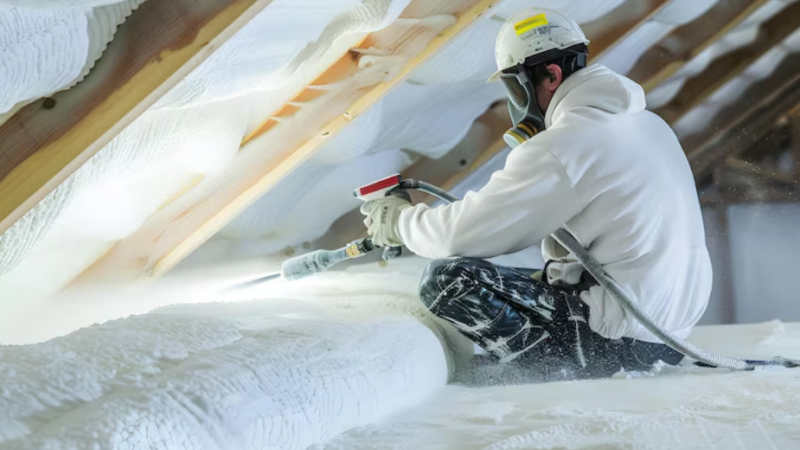
Without a properly ventilated or insulated roof, heat can be trapped in the attic, increasing the effort required of cooling systems on hotter days. On the other hand, poor sealing over roof penetrations can permit an escape of warm air during colder weather. Outside remodeling offers the possibility to fix these problems by introducing a better attic ventilation system, reflective roofing surfaces, or a more effective insulation layer.
When roofing upgrades are planned in conjunction with siding repairs and window upgrades the house is better prepared to maintain consistent temperatures inside the house. This combined strategy will help to minimize the use of energy and make the living conditions more comfortable. It also helps in the longevity of exterior materials because it prevents overheating and over-cooling which can cause expansion and contraction. An effective remodeling plan will make sure the roofing and exterior improvements go hand in hand to achieve energy efficiency and reliability.
Image Cohesion and Urban Identity
In addition to structural and functional aspects, roofing systems can be considered defining features of the exterior of a home. The appearance of siding, trim, windows, and other elements of an entry are affected by the color of the roof and its texture and shape as a whole. In situations where homeowners have exterior remodeling projects, matching the roof with the new look can make a huge difference to the overall look of the property.
An example of this would be having outdated roofing shingles replaced with modern material which would prompt homeowners to change the color of siding or even install some decorative trim that fits with the new roof style.
On the same note, any shift in rooflines or the construction of dormers has the capability of altering the proportionality of the overall facade. Such architectural modifications frequently influence the determination of the additions to the porches, window frame, and the location of exterior lights.
A roofing contractor can help the homeowner to coordinate these visual effects when they work on larger remodeling projects. An organization like Precision Roofing Solutions would be able to give information about how the roofing material will affect the features around it so that the house owner can have a balanced, smooth exterior. When thinking about the roofing, siding, and trim and other exterior details, remodeling projects can turn the home into a coherent architectural whole as opposed to a series of unrelated renovations.
Full exterior remodeling undertakings include a lot more than renovating one aspect of the house. Due to its impact on the overall building exterior, the roofing systems also affect almost all aspects of the exterior building structure, including water drainage and insulation effectiveness, architectural aesthetics, and building maintenance.
When the process of roofing is organized with siding, gutters, windows, and façade additions, it leads to the creation of a home that feels more reliable and looks like one. Taking into account the roof as one of the essential components of exterior transformation, a homeowner develops a more powerful, more effective construction that could resist all the environmental factors and preserve its aesthetic quality during several years.