
What to Know Before Adding Battery Storage to Your Home
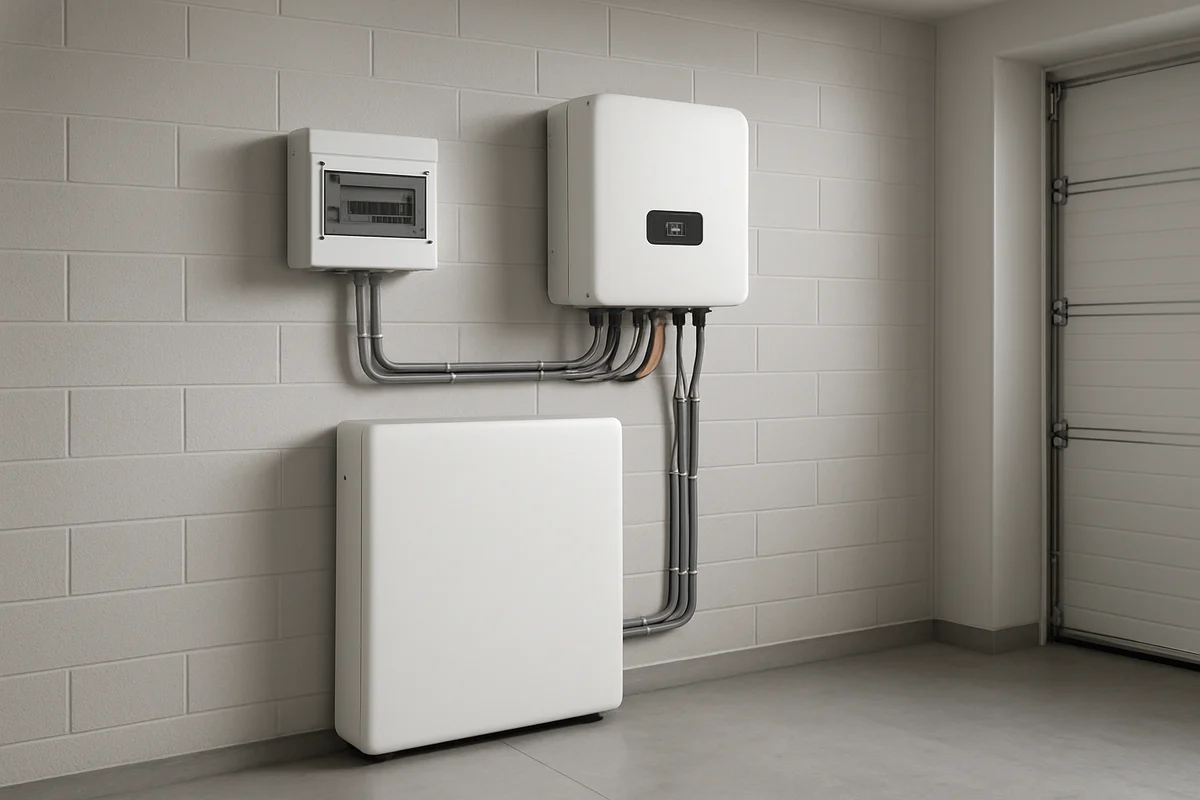
As solar battery storage technology matures and becomes more affordable, an increasing number of homeowners are considering it as a valuable addition to their energy setup. Before making the investment, it pays to understand how these systems work, what they can and cannot do, and what factors will determine whether a battery is the right fit for your specific household and solar installation.
Importance of Solar Battery Storage
A home battery captures the surplus electricity generated by solar panels during daylight hours and stores it for later use. Proper solar battery storage systems are designed to integrate with residential solar installations, with modern units offering plug-and-play compatibility with most major inverter brands.
The battery charges automatically whenever solar generation exceeds household demand and discharges in the evening when generation drops. A smart management system governs all of this automatically, requiring minimal input from the homeowner.
Key Questions to Ask Before Purchasing
Before committing to a battery storage purchase, it is worth asking a few important questions. How much solar electricity is your current installation exporting to the grid each month? If the answer is very little, a battery may not have enough surplus energy to charge effectively.
What is your typical evening electricity consumption? This figure helps determine the appropriate battery capacity. Answering these questions honestly with the help of an experienced installer leads to a much better purchasing decision.
Battery Lifespan and Warranty Considerations
Home batteries are rated for a certain number of charge and discharge cycles over their operational lifespan, typically between 4,000 and 10,000 cycles depending on the chemistry and manufacturer. Most quality systems come with warranties guaranteeing a minimum retained capacity, often around 70 percent of the original capacity, after ten years of normal use.
Understanding what the warranty covers, including both capacity retention and product defects, is important before selecting a system. Choosing a well-established manufacturer with a proven track record provides greater confidence in long-term warranty support.
Grid Export Limits and Connection Requirements
In some regions, utility companies impose limits on how much electricity a home can export to the grid, and adding battery storage may require updating your grid connection agreement. Your installer will typically manage the notification or approval process with the utility company on your behalf.
It is also worth understanding how your current solar installation is registered under any feed-in or export tariff scheme, as adding battery storage can affect the terms under which you are compensated for exported electricity.
Installation Logistics and Costs
The physical installation of a home battery is straightforward and is typically completed within a day. The unit requires a suitable mounting location near your existing solar inverter and consumer unit, and the electrical work involved is relatively minor compared to the original solar installation.
Costs vary depending on battery capacity, brand, and whether any additional work is required to integrate with your existing system. Obtaining quotes from multiple qualified installers allows you to compare both the systems they recommend and installation before committing.
Conclusion
Battery storage can be an excellent addition to a home solar system when the conditions are right, but it is important to evaluate the decision carefully rather than purchasing on impulse. Understanding your current solar output, consumption patterns, tariff structure, and financial expectations ensures the system you choose actually delivers the benefits you are expecting.
Working with a qualified and experienced installer makes the evaluation and decision process much more straightforward and gives you confidence in the outcome.