How to Choose the Right Fence for Your Home
A good fence can make your yard feel safer, more private, and a little more attractive. It can keep your dog from running after every passing bird or give children a secure place to play outside. But choosing one is not as simple as picking a design you like.
Different materials have different costs, and some need more care than others. Before spending money, think about how you use your outdoor space and what you want your fence to do for you.
Think About Your Everyday Needs
Start by asking yourself one simple question: why do you need a fence? Your answer will help you narrow down the choices. Families with young children might prefer a secure yard where little ones can play without wandering toward the road.
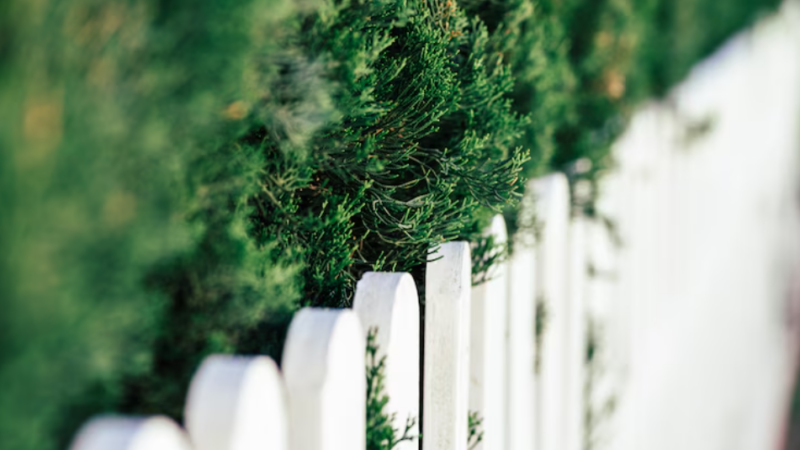
Privacy is another common reason. If your garden faces a busy street or your neighbors’ windows, a taller fence can make outdoor time feel more comfortable. Some homeowners simply want to give their property a neat, finished appearance.
Pick a Style That Fits
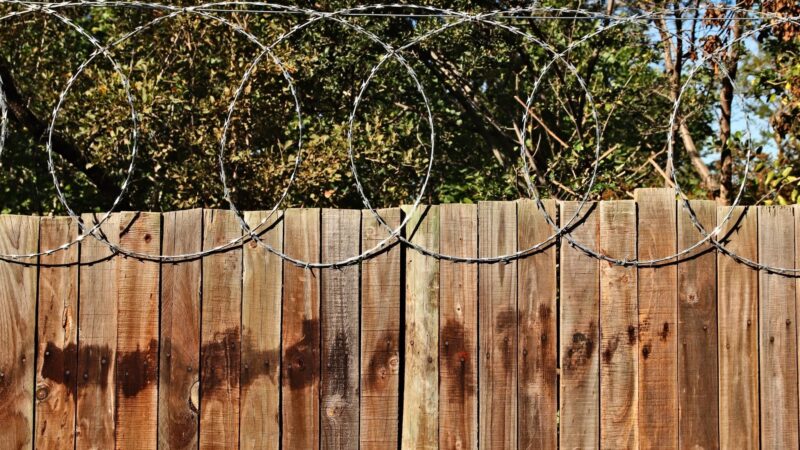
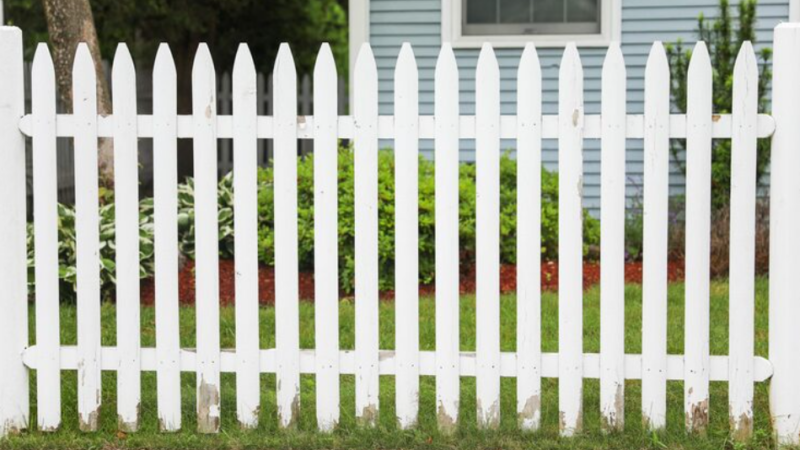
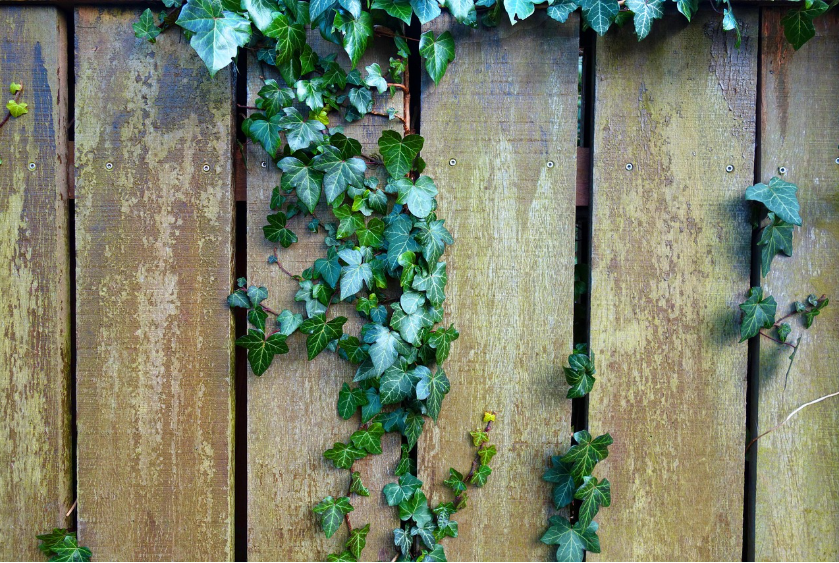
Fences come in several materials, and each has its own advantages. Wooden fences offer a warm, traditional look and can be painted to match your home. However, they may need regular staining or painting to stay in good shape.
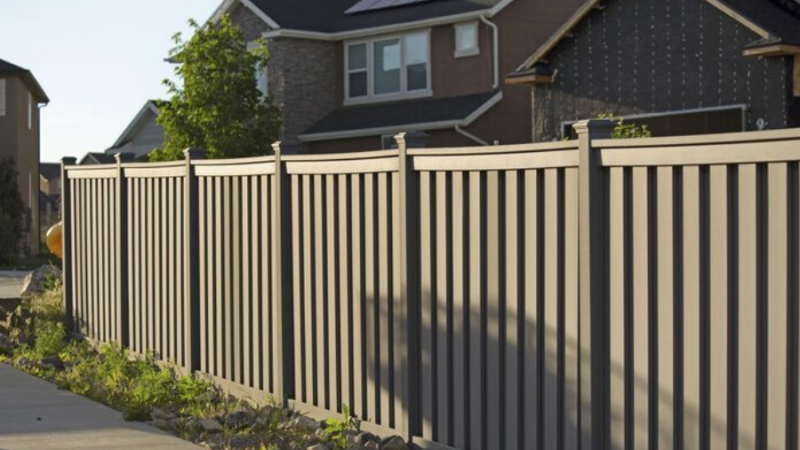
Vinyl fences are available in different colors and styles and generally need less maintenance. Metal fences can provide strength and a clean appearance, while chain-link options are practical for marking boundaries and keeping pets contained. They usually offer less privacy unless you add screening.
Ask a Fence Company
Choosing materials from pictures is easy, but real yards can have unexpected challenges. The ground might slope, tree roots may get in the way, or a gate might need to fit a narrow entrance. Speaking with a fence company can help you understand which options are practical for your property.
A professional can assess the space, discuss suitable materials, and explain how installation may work. They can also help identify boundary concerns before construction begins. It is worth checking property lines rather than accidentally building a fence on someone else’s land.
Plan Your Budget Carefully
The price of a fence depends on more than the material itself. A large yard naturally requires more fencing, while taller designs may cost more than shorter ones. Gates, difficult ground conditions, and extra installation work can also increase the bill.
Before making a decision, collect detailed estimates and compare what each one covers. One quote might include removing an old fence, while another may charge extra for that service. Looking only at the final number can make a cheaper offer seem better than it really is.
Keep Future Upkeep Simple
Your fence will need some care after installation, even if it looks perfect on day one. Wooden fences may need fresh paint or stain to protect them from rain and sunlight. Vinyl usually needs occasional washing, while metal fencing should be checked for rust, loose parts, or damaged coatings.
Strong sunlight, moisture, and rough use can all change a fence’s appearance over time. Checking it occasionally helps you spot small problems before they become expensive repairs.