Top 5 Tips for Buying Mid Century Furniture
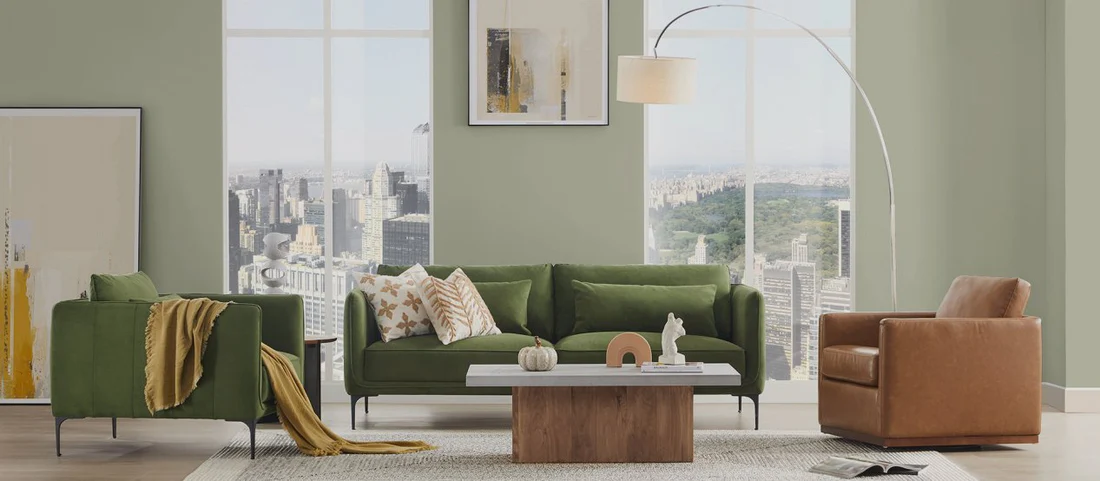
Mid-century furniture is popular because it looks simple, stylish, and timeless. It comes from designs made mainly between the 1940s and 1960s, and it still fits well in modern homes today. Many people love it because it adds character to a room without looking too heavy or complicated.
However, buying mid-century furniture can be tricky if the buyer does not know what to look for. Some pieces are original, while others are copies or heavily restored. Understanding the right details helps buyers make better choices and avoid wasting money.
Check for Authenticity
Authenticity matters a lot when buying mid century furniture. Real pieces from the mid-century period usually have strong craftsmanship and simple but clever design details. Buyers should carefully look at labels, maker marks, or stamps that show the origin of the furniture.
Many original designers created pieces that are still valued today. Copies may look similar, but they often feel lighter or less solid. Checking small details like joints, screws, and finishing can help identify if a piece is truly vintage or just a modern copy.
Inspect the Condition Carefully
The condition of mid-century furniture plays a big role in its value and usability. Buyers should carefully check for cracks, stains, loose parts, or signs of heavy repair. Wooden furniture may show scratches, but deep damage can lower the quality. Upholstered items should be checked for strong fabric and clean filling inside.
A piece that looks slightly worn can still be a good choice if the structure is strong. However, items with broken frames or unstable legs may require costly restoration. Careful inspection helps avoid buying furniture that looks good but does not last long in daily use.
Focus on Quality Materials
Mid-century furniture is known for using strong and natural materials like teak, oak, and walnut. These woods age well and often become more beautiful over time. Buyers should look at the grain of the wood and check if it feels solid when touched.
Cheap materials or particle boards usually do not belong to original mid-century design. Metal and glass parts should also feel sturdy and well-fitted. Good quality materials not only improve appearance but also increase durability.
Match Style with Your Space
Mid-century furniture works best when it fits naturally into the room. Its clean lines and simple shapes make it easy to combine with modern or traditional interiors. Buyers should think about the size of the furniture before purchasing.
Large pieces may overwhelm small rooms, while very small items may look lost in big spaces. Colors also matter, as mid-century designs often use warm wood tones, muted shades, or soft patterns.
Research Sellers and Set a Budget
Good research helps buyers find better deals and avoid dishonest sellers. Trusted furniture shops, antique stores, and verified online sellers usually provide more reliable information about the product. Prices for mid-century furniture can vary a lot depending on condition, rarity, and designer.
Setting a clear budget before buying helps control spending and prevents overspending on unnecessary pieces. Comparing different sellers also helps in understanding the fair market value.
Conclusion
Buying mid-century furniture becomes much easier when the right steps are followed. Checking authenticity, inspecting condition, focusing on materials, matching style, and researching sellers all help in making better decisions.
These tips protect buyers from poor-quality items and help them invest in furniture that lasts for years. Mid-century furniture can add beauty and character to any home, but only when chosen with care and attention.