HVAC System Reliability And Preventive Maintenance Planning
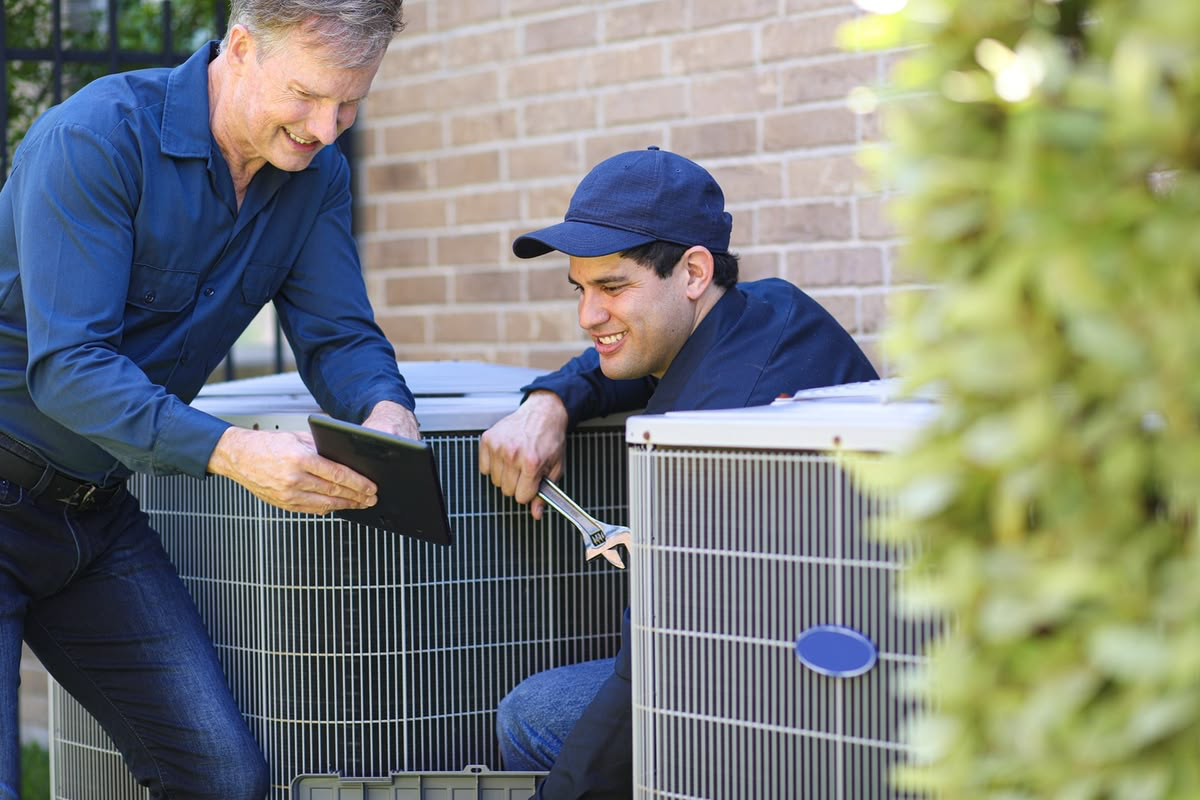
Reliable HVAC systems keep buildings functional and comfortable. They support productivity, protect equipment, and maintain air quality. A small failure can disrupt operations fast. That is why preventive maintenance is not optional. It is a structured strategy. It reduces downtime and extends system life. With the right plan, performance becomes predictable. Costs also become easier to control.
System Reliability In Modern HVAC Operations
Reliability is the ability of a system to perform without failure. In HVAC, it means consistent temperature, airflow, and humidity control. Systems run for long hours, often under variable loads. This creates wear and stress on components. Without monitoring, small faults grow quickly. Preventive planning focuses on early detection. It turns reactive fixes into scheduled actions.
Preventive Maintenance Planning For AC Repair Efficiency
Preventive maintenance is a scheduled approach to servicing HVAC units. It includes inspections, cleaning, and minor adjustments. These steps reduce sudden breakdowns. In many facilities, this directly lowers the need for emergency ac repair. The AC repair refers to fixing faults in air conditioning systems, including compressors, coils, and electrical parts. When maintenance is consistent, repair frequency drops. This improves system uptime and lowers long-term expenses.
Commercial Chiller Performance And Maintenance Cycles
Large buildings depend on chillers for cooling. A commercial chiller is a system that removes heat from liquid and transfers it elsewhere. It is used in malls, factories, and hospitals. These systems operate under heavy demand. Regular maintenance cycles keep them efficient. Tasks include checking refrigerant levels, inspecting heat exchangers, and testing controls. When these steps are ignored, efficiency declines. This leads to higher energy use and unexpected failures.
Predictive Monitoring And AC Repair Optimization
Modern HVAC systems use sensors and smart controls. These tools track temperature, pressure, and vibration. Data is analyzed to predict failures before they happen. This approach is called predictive maintenance. It complements traditional servicing methods. It also improves planning for AC repair tasks. Instead of reacting to breakdowns, technicians act on data signals. The result is faster response and reduced disruption.
Commercial Chiller Load Management Strategies
Chillers perform best under stable load conditions. Sudden changes can strain the system. Load management balances demand across equipment. It prevents overloading and short cycling. In large facilities, multiple units share the cooling load. A commercial chiller benefits from this distribution. It runs more efficiently and lasts longer. Proper scheduling and automation make this possible.
Energy Efficiency And Lifecycle Cost Control
Energy use is a major cost in HVAC operations. Inefficient systems consume more power. Preventive maintenance improves efficiency. Clean filters and coils allow better airflow. Proper lubrication reduces friction. These small actions lower energy bills. Over time, they also extend equipment life. This reduces capital replacement costs. Reliability and efficiency are closely linked.
Maintenance Documentation And System Audits
Documentation is often overlooked. Yet it is critical for long-term planning. Maintenance logs track service history and system performance. They help identify recurring issues. Audits use this data to evaluate system health. Patterns become visible. Decisions become data-driven. This improves budgeting and scheduling accuracy.
Conclusion
HVAC reliability depends on consistent care and smart planning. Preventive maintenance reduces risk and improves performance. It supports both small systems and large installations. From routine servicing to advanced monitoring, every step adds value. Addressing issues early limits costly repairs. Whether dealing with ac repair needs or managing a commercial chiller, a proactive approach ensures stability, efficiency, and long-term savings.