Planning a Fence That Fits Your Property
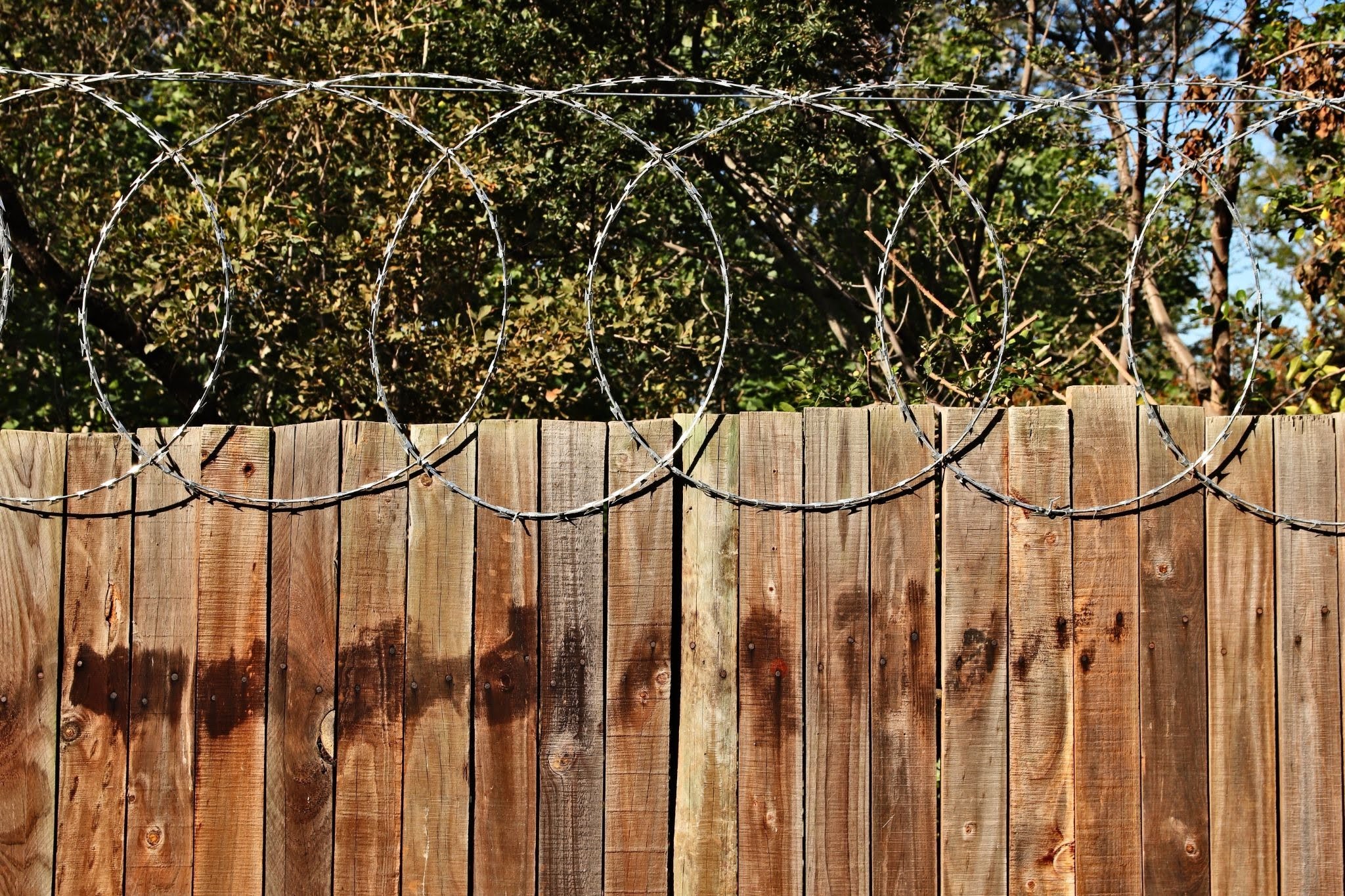
A fence might seem like a simple addition to your property, but choosing the wrong one can create headaches later. Maybe your dog has discovered how to escape through gaps, or you want a little privacy from the neighbours. Perhaps you just need a clear boundary around your garden.
Whatever the reason, planning ahead makes a real difference. Before buying materials or calling an installer, think about how you use your outdoor space, what your fence needs to achieve, and how much maintenance you can manage.
Decide What You Need
Start by asking yourself one simple question: what should the fence actually do? If you have a dog that enjoys exploring the neighbourhood, keeping it safely inside may be your main priority. Families with young children might want a secure play area, while other homeowners simply want to mark their property boundaries.
Your purpose will affect the fence’s height, design, and placement. A fence meant to protect a vegetable garden may not need the same features as one surrounding a busy driveway. Make a short list of your priorities before comparing materials.
Check Boundaries And Rules
Before digging any holes, make sure you know where your property ends. A fence placed even slightly beyond your boundary can cause disagreements with neighbours, and those conversations are rarely anyone’s favourite weekend activity.
Check your property documents and seek professional help with boundary questions if necessary. You should also review local building rules and any homeowners’ association requirements that apply to your property. Some areas have restrictions on fence height, placement, or appearance.
Plan Chain Link Fence Installation
Chain-link fencing can be a practical choice for enclosing a yard or marking a boundary without completely blocking the view. Its open mesh allows you to see through it, which can be useful when you want to keep pets inside while still being able to see the garden beyond.
When planning chain link fence installation, consider the fence height, mesh size, and gate locations. Smaller mesh openings may help prevent small pets from squeezing through, depending on their size. Make sure gates are wide enough for people, gardening equipment, or lawnmowers to pass through comfortably.
Think About Long-Term Care
Even a sturdy fence needs occasional attention. After strong winds or heavy rain, check the posts, gates, and connections for signs of movement or damage. A loose gate might seem harmless at first, but it can become frustrating when it refuses to close properly.
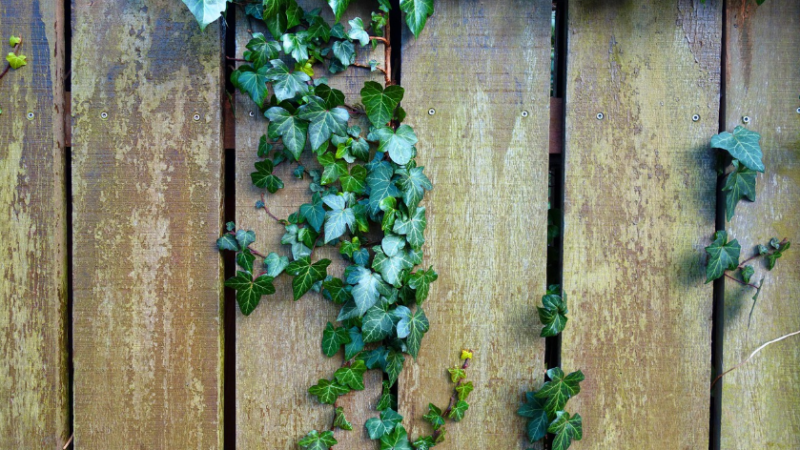
Keep weeds, vines, and heavy branches from pressing against the fence. Plants can make inspection difficult and may contribute to damage over time. The amount of care needed depends on the fencing material and local weather conditions.
Compare Options for Chain Link Fence Installation
If you are hiring an installer, do not choose one based on price alone. Ask for written estimates that explain the materials, labour, site preparation, and any extra charges. A very low quote may leave out important work.
When comparing providers for chain link fence installation, check their experience with similar properties and ask how they handle slopes, difficult soil, and gate placement. Find out how long the project should take and whether the work includes a warranty.